Talking about new smart and high technologies home appliances
Wednesday, 1 November 2023
Title: Robotic Vacuum Cleaners: Features, Mechanism, Suction Power, Runtime, and Applications Introduction: Robotic vacuum cleaners have revolutionized the way we clean our homes. These autonomous cleaning devices are equipped with advanced features that make them efficient, time-saving, and convenient. This article explores the characteristics, functioning mechanism, suction power, runtime, and various applications of robotic vacuum cleaners. Features: Robotic vacuum cleaners come with an array of features that enhance their cleaning capabilities. They are equipped with sensors to detect obstacles, stairs, and drop-offs, ensuring safe navigation throughout the cleaning process. Some models offer mapping and path planning, enabling them to create a virtual map of the area to clean efficiently. Additionally, advanced models may include Wi-Fi connectivity, voice control, scheduling options, and compatibility with smart home systems. Mechanism of Operation: Robotic vacuum cleaners operate using a combination of technologies. Most models utilize wheels or tracks for mobility, allowing them to move freely across different surfaces. They employ brushes and rotating agitators to loosen dirt and debris from carpets, while suction power draws in the particles into a dustbin. Some models also incorporate mopping functions for hard floors, utilizing damp cloths or water reservoirs. Suction Power: The suction power of robotic vacuum cleaners varies depending on the model. Generally, these devices provide sufficient suction to effectively clean various floor types, including low-pile carpets, hardwood, and tiles. Manufacturers often specify the maximum suction power, measured in Pascal (Pa), as an indicator of their cleaning capabilities. Higher suction power ensures better removal of dust, pet hair, and larger debris. Runtime and Charging: The runtime of robotic vacuum cleaners is determined by their battery capacity and efficiency. Most models offer runtime ranging from 60 minutes to 120 minutes before requiring recharging. When the battery level becomes low, the device automatically returns to its docking station to recharge. The charging time varies from model to model but typically takes a few hours. Some high-end models offer features like resume cleaning, where the vacuum resumes cleaning after recharging without manual intervention. Applications: Robotic vacuum cleaners are suitable for various domestic and commercial applications. They excel in everyday maintenance cleaning, especially in homes with pets or individuals with allergies. These devices effectively remove pet hair, dust, and allergens, contributing to improved indoor air quality. Robotic vacuum cleaners are also beneficial for busy individuals who want to automate their cleaning tasks, enabling them to focus on other activities. In commercial settings such as offices, hotels, or restaurants, these devices can efficiently maintain cleanliness during non-operational hours. Conclusion: Robotic vacuum cleaners have become increasingly popular due to their advanced features, efficient cleaning mechanism, and convenience. With their ability to navigate autonomously, powerful suction, extended runtime, and versatile applications, they provide effective cleaning performance for various floor types and environments. Embracing this technology can significantly simplify and enhance the cleaning routine for both residential and commercial spaces.
Introduction: Robotic vacuum cleaners have revolutionized the way we clean our homes. These autonomous cleaning devices are equipped with advanced features that make them efficient, time-saving, and convenient. This article explores the characteristics, functioning mechanism, suction power, runtime, and various applications of robotic vacuum cleaners.
Features: Robotic vacuum cleaners come with an array of features that enhance their cleaning capabilities. They are equipped with sensors to detect obstacles, stairs, and drop-offs, ensuring safe navigation throughout the cleaning process. Some models offer mapping and path planning, enabling them to create a virtual map of the area to clean efficiently. Additionally, advanced models may include Wi-Fi connectivity, voice control, scheduling options, and compatibility with smart home systems.
Mechanism of Operation: Robotic vacuum cleaners operate using a combination of technologies. Most models utilize wheels or tracks for mobility, allowing them to move freely across different surfaces. They employ brushes and rotating agitators to loosen dirt and debris from carpets, while suction power draws in the particles into a dustbin. Some models also incorporate mopping functions for hard floors, utilizing damp cloths or water reservoirs.
Suction Power: The suction power of robotic vacuum cleaners varies depending on the model. Generally, these devices provide sufficient suction to effectively clean various floor types, including low-pile carpets, hardwood, and tiles. Manufacturers often specify the maximum suction power, measured in Pascal (Pa), as an indicator of their cleaning capabilities. Higher suction power ensures better removal of dust, pet hair, and larger debris.
Runtime and Charging: The runtime of robotic vacuum cleaners is determined by their battery capacity and efficiency. Most models offer runtime ranging from 60 minutes to 120 minutes before requiring recharging. When the battery level becomes low, the device automatically returns to its docking station to recharge. The charging time varies from model to model but typically takes a few hours. Some high-end models offer features like resume cleaning, where the vacuum resumes cleaning after recharging without manual intervention.
Applications: Robotic vacuum cleaners are suitable for various domestic and commercial applications. They excel in everyday maintenance cleaning, especially in homes with pets or individuals with allergies. These devices effectively remove pet hair, dust, and allergens, contributing to improved indoor air quality. Robotic vacuum cleaners are also beneficial for busy individuals who want to automate their cleaning tasks, enabling them to focus on other activities. In commercial settings such as offices, hotels, or restaurants, these devices can efficiently maintain cleanliness during non-operational hours.
Conclusion: Robotic vacuum cleaners have become increasingly popular due to their advanced features, efficient cleaning mechanism, and convenience. With their ability to navigate autonomously, powerful suction, extended runtime, and versatile applications, they provide effective cleaning performance for various floor types and environments. Embracing this technology can significantly simplify and enhance the cleaning routine for both residential and commercial spaces.
Now are you ready to tell you about 2 expensive xiaomi robotic vacuum cleaner and 2 cheap and low price but high performance ok let's go
There are four models of Xiaomi robotic vacuum cleaners that can be classified into two categories based on their price and features.
1. High-end models: XIAOMI MIJIA-Robot Vacuum Cleaner Omni 1S, Mop, Self-Books, Home AfricS6, D343, Disposal Machine, Dust Collection, Smart Base:
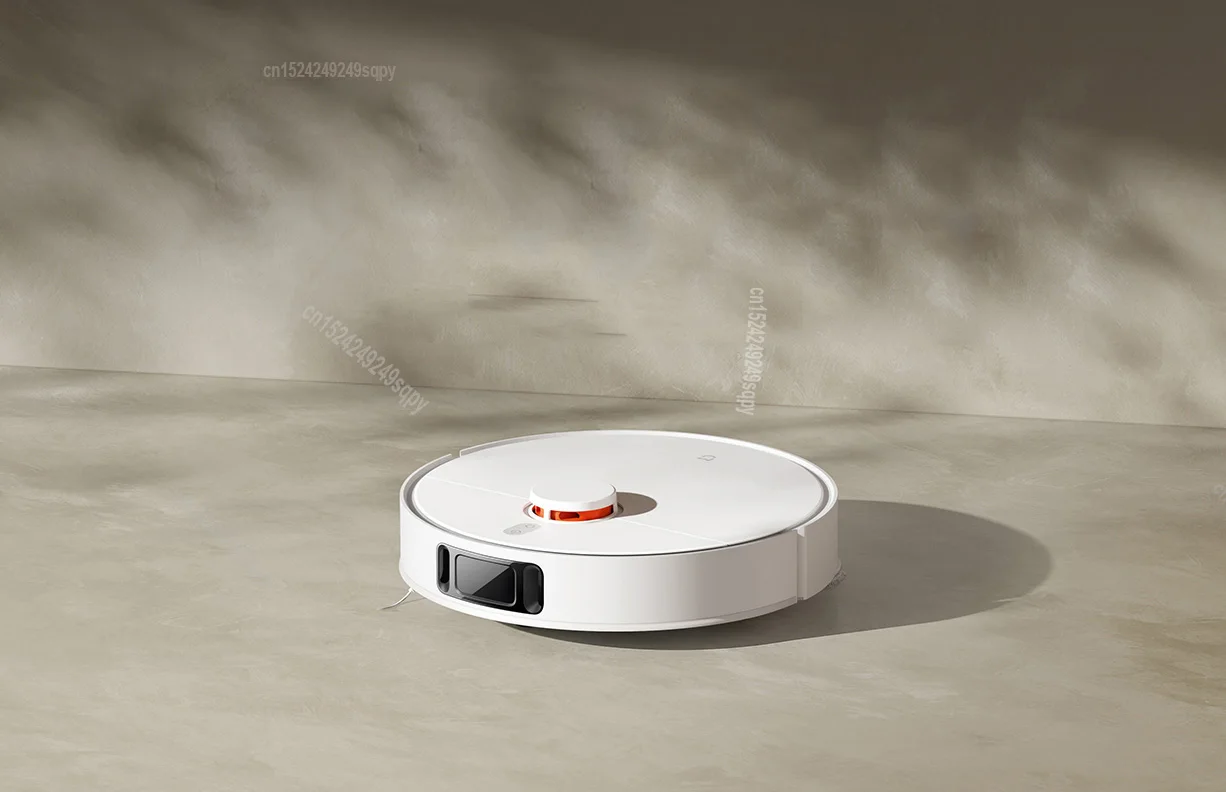
Xiaomi Mijia Omni Robot Vacuum Cleaner-Mop 1S Main Features
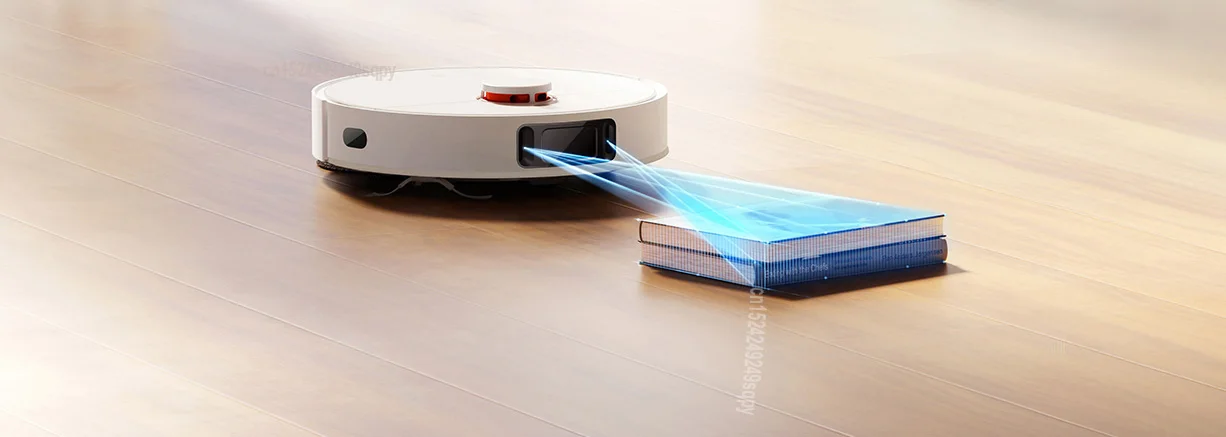
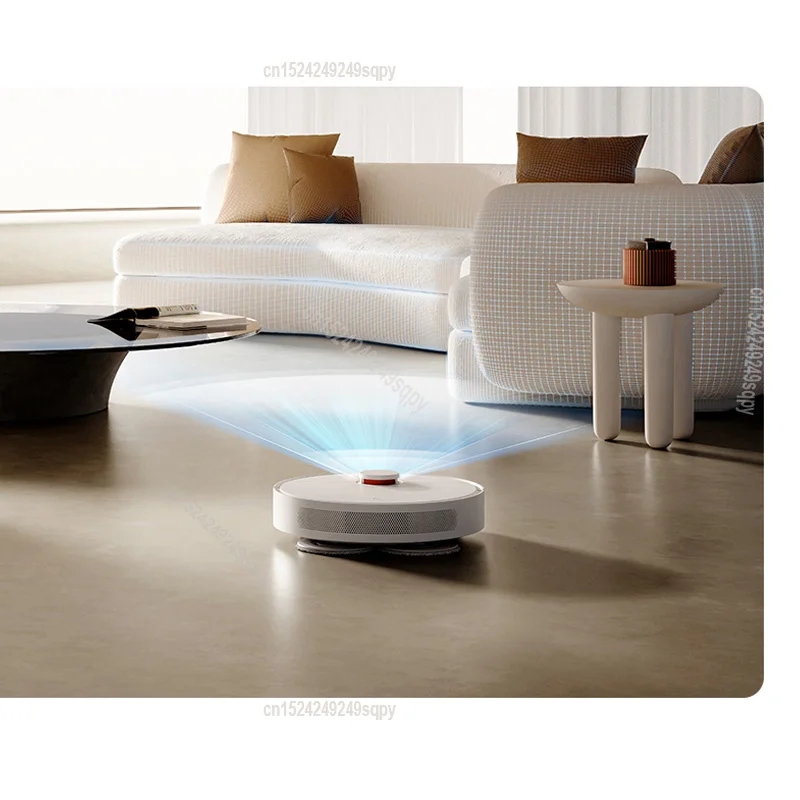
*Using industry-leading laser navigation technology, without fear of light and environmental interference.
* The suction performance has been improved again, equipped with a 4000Pa fan
* Double air duct dust removal design, 10 seconds to empty the garbage from the dust box.
*Support automatic water up and down, automatic adding detergent, automatic mop washing, automatic dust collection, automatic hot air drying *It can be fully automatic up and down the
l water, there is no need for manual participation in the whole process
* Install the special cleaning product into the cleaning base, and the cleaning liquid will be automatically added before each mop cleaning.
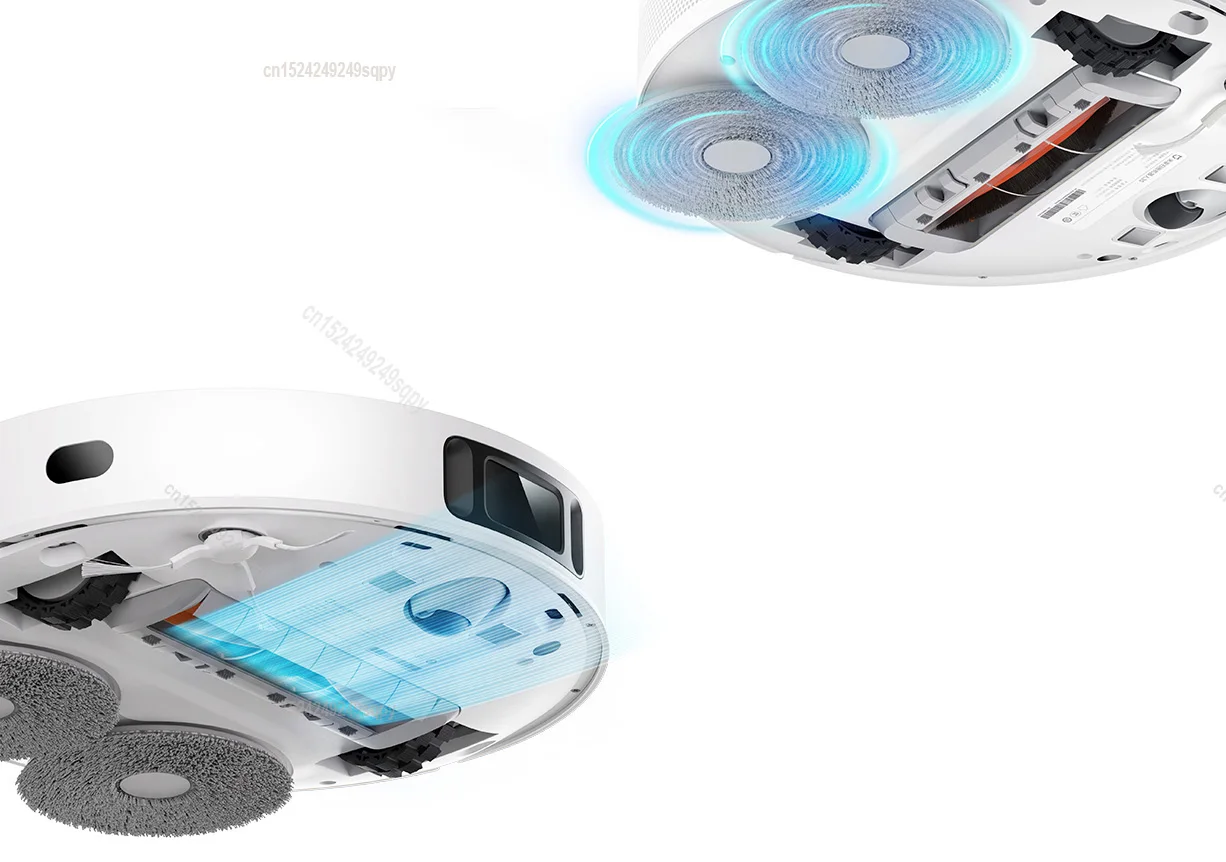
* Double mop 180 rpm * high speed rotation, 5 times effective cleaning power
* Built-in 2.5L dust bag, no need to change the dust bag for up to 30 days.
* Equipped with super sensing AI recognition system and artificial intelligence graphics algorithm
XIAOMI MIJIA Omni Robot Vacuum Cleaners 1S
Fully automatic up and down water, completely hands-free, no need to frequently add water and clean sewage. *Automatic water inlet and outlet devices need to be purchased separately
This model showcases powerful features, including image recognition technology to identify strengths and weaknesses. It offers professional capabilities like storing maps and setting boundaries. Additionally, it can effectively collect pet hair.
For more information about this product and its price please tap on the pictures below
For more information about this product please tap on the pictures above
- Model Mi Robot Vacuum Essential: This is a more budget-friendly option that utilizes advanced algorithms for cleaning and navigation. It also has a larger dustbin capacity.
So, these are the Xiaomi robotic vacuum cleaner models with varying prices and features.
point of sale
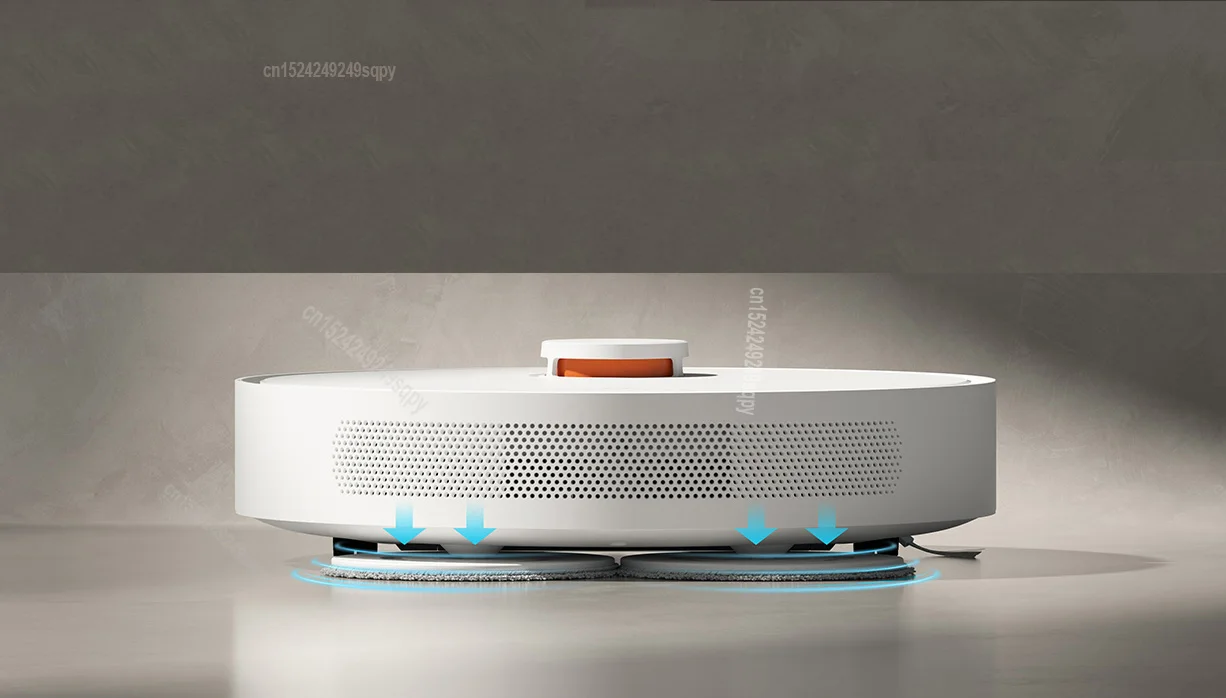
Double mops spin at high speed, powerfully wipe floor stains.*4000Pa super suction
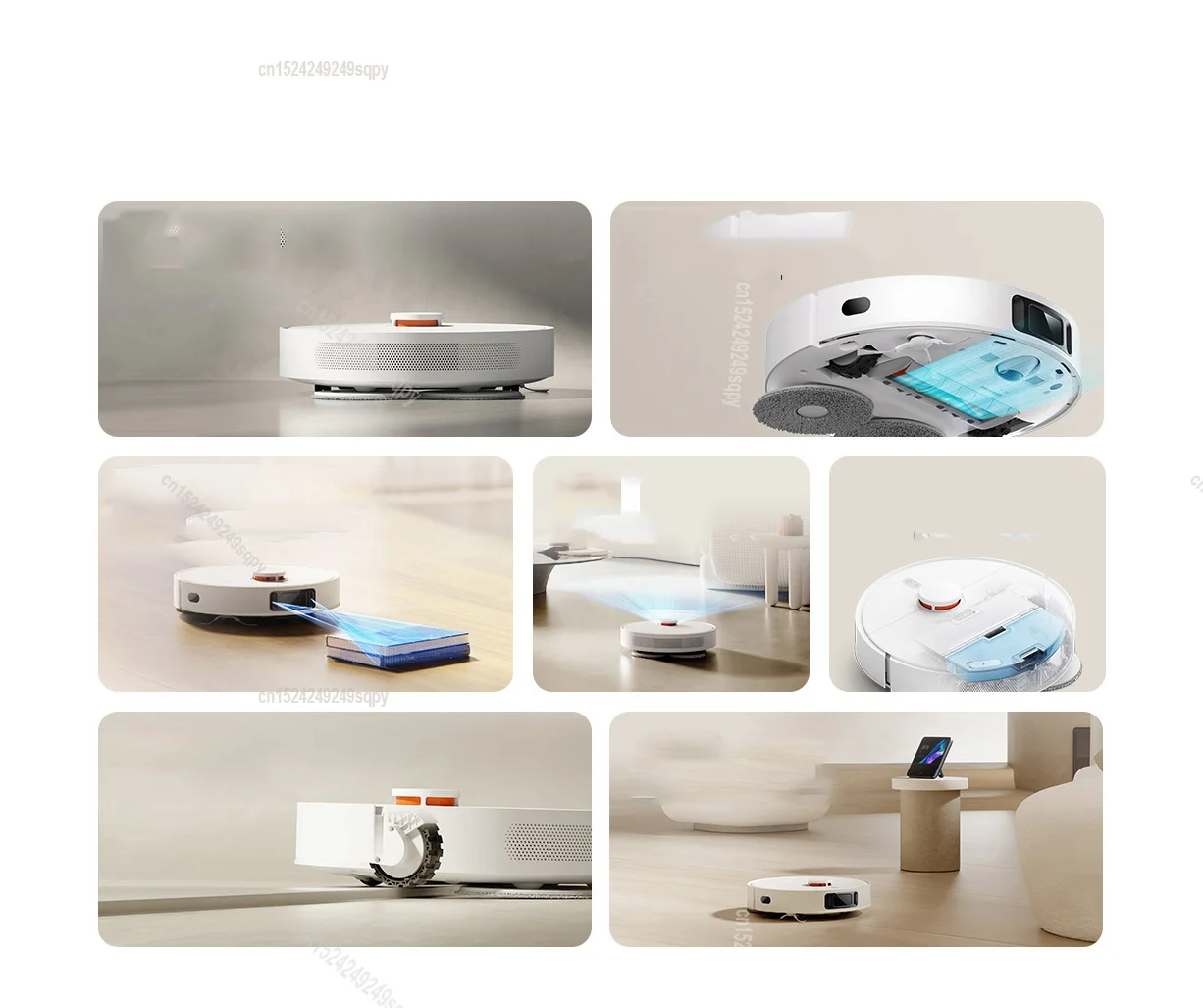
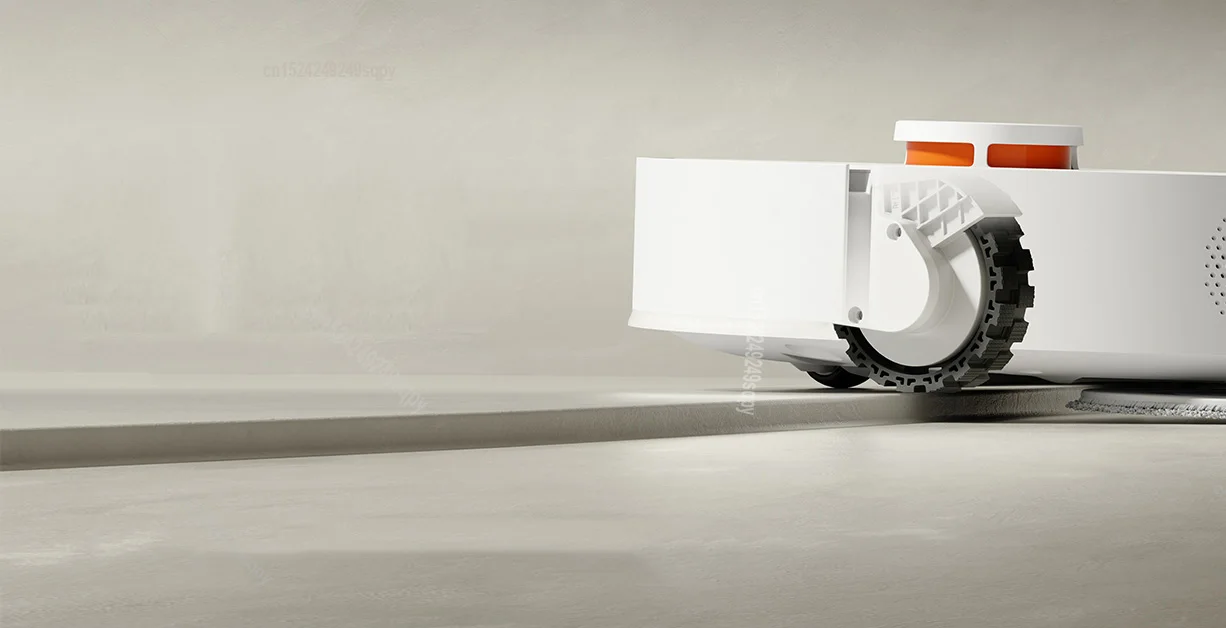
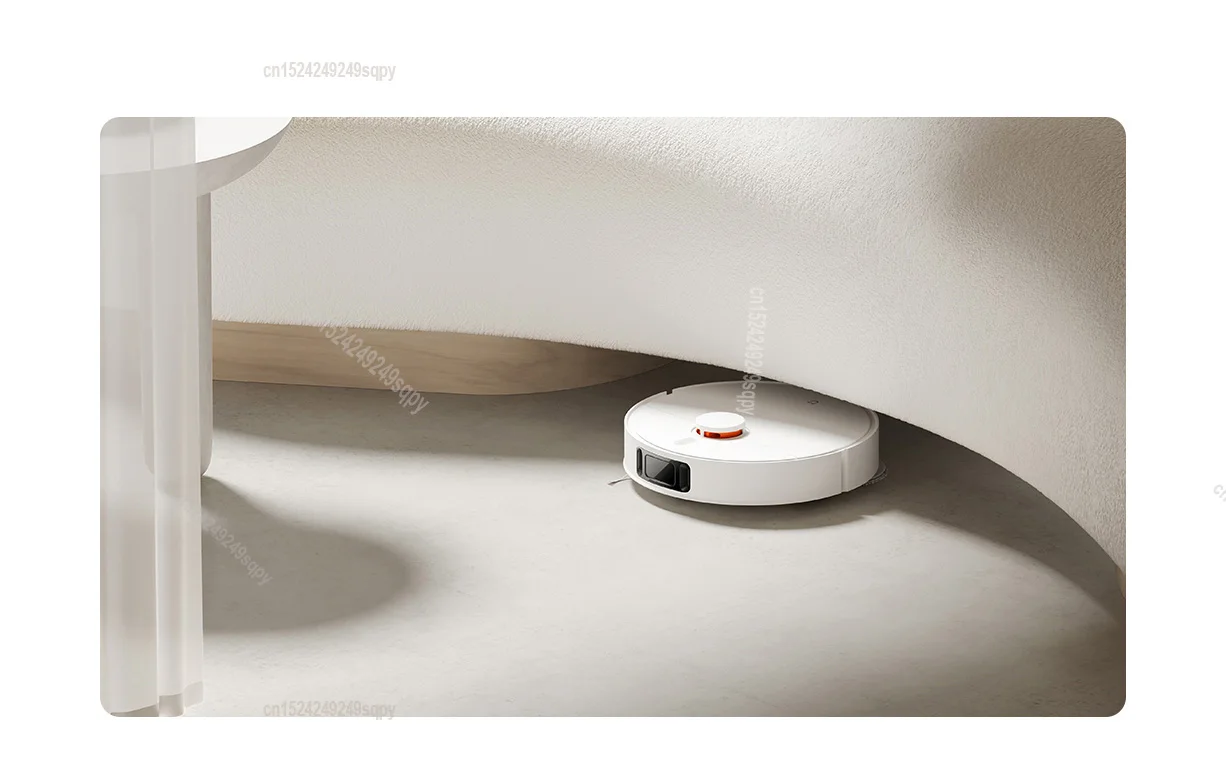
* Dual brushes rotate at high speed, powerfully wipe floor stains * 4000Pa super suction * 3D stereo perception, stronger obstacle avoidance ability * LDS laser navigation, easily identify obstacles * Tank intelligent electric control water pump, precise control of water outlet * The brushless motor drives the wheels, making it easier to pass obstacles * The height of the fuselage is only 97mm, and the bottom of most sofas and beds can be easily cleaned.
Parameter Product Name: XIAOMI MIJIA Robot Vacuum Cleaner Mop 3S Model: B108CN Size: 350 × three hundred and fifty × 97mm Rated voltage: 14.4V Rated power: 55W Main motor net weight: 5.5kg Charging voltage: 19.8V Supported systems : Android 4.4 or iOS 10.0 and above Battery capacity: 2900mAh (rated capacity) 3200mAh (rated capacity)
Charging support Model: B108CN-JZ Size: 130 × one hundred and twenty-six × 93mm Rated input: 100-240V ~ 50 /60Hz 0.5A Rated output: 19.8V = 1A
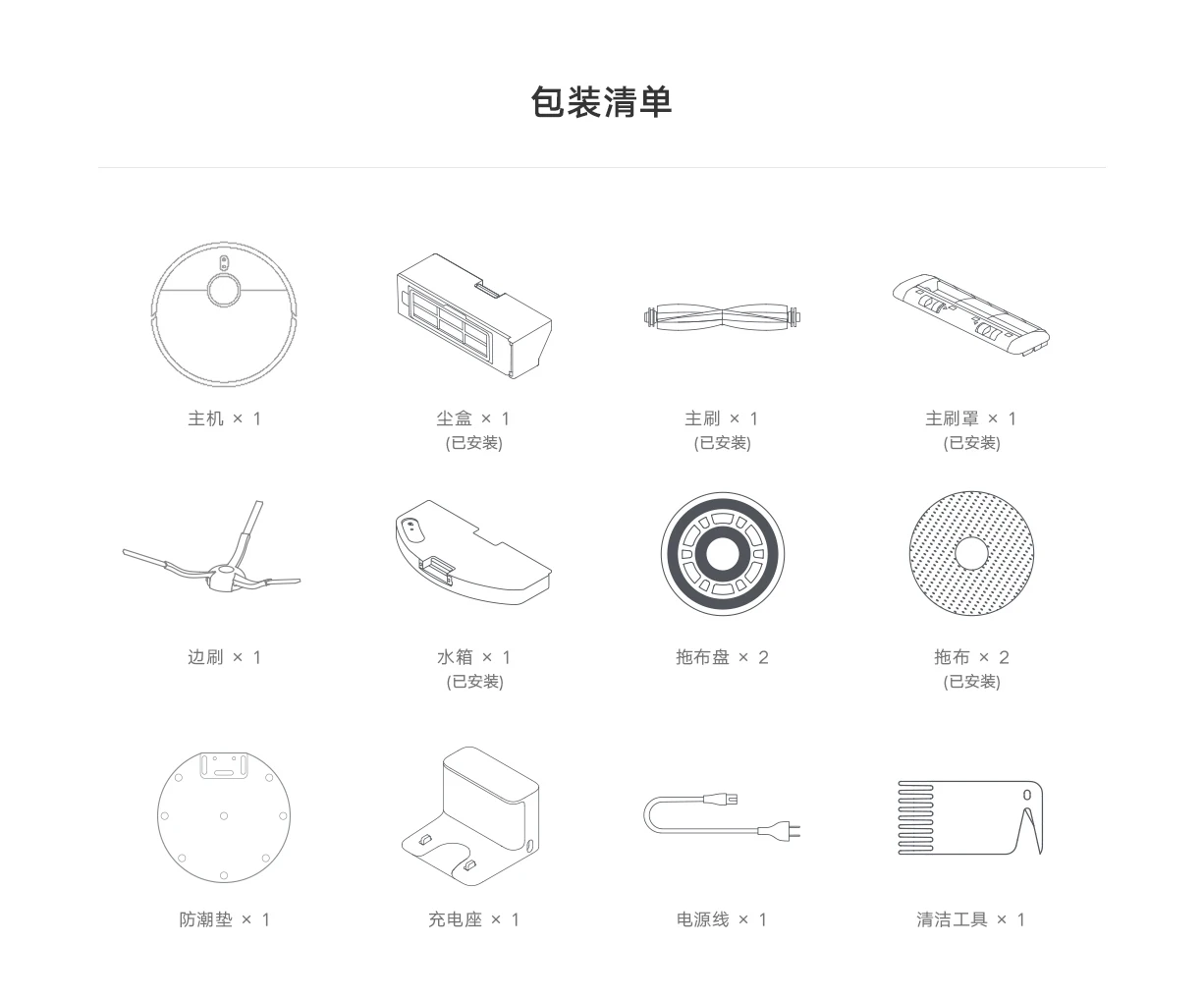
Packing list Host × 1 Dust box × 1 (installed) Main brush × 1 (installed) Main brush cover × 1 (installed) Edge brush × 1 Storage tank water × 1 (installed) Mop tray × 2 Mop × 2 (installed) Moisture-proof pad × 1 Charging stand × 1 Power cord × 1 Cleaning tools × 1
Noticed:
1. Please note that the vacuum cleaner is Chinese version with CN plug. But don't worry, we will send you an adapter to use according to your choice.
2. Because we will do the quality check and put the plug adapter inside the package, the package will be opened, but it is brand new.
3. Please note that you need to select Chinese mainland as the app region, then you can change the app language to English to use it. Please make sure your MIHOME app is updated before using the app to control it. THANKS!
XIAOMI MIJIA Robot Vacuum Cleaner Mop 3S
Great suction combined with powerful cleaning for a more thorough clean
Les vadrouilles doubles tournent à grande vitesse, essuyez puissamment les taches de sol Super aspiration 4000Pa Perception stéréo 3D, capacité d'évitement d'obstacles plus forte Navigation laser LDS, identifier facilement les obstacles Réservoir d'eau à commande électrique intelligente, contrôle précis de la sortie d'eau Le moteur sans balais entraîne les roues, ce qui facilite le franchissement des obstacles.tookfun
Les vadrouilles doubles tournent à grande vitesse pour essuyer le sol
Essuyez fortement les taches de sol et gardez le sol propre
Réservoir d'eau électrique intelligent
Équipé d'un réservoir d'eau à commande électrique de précision intelligente, le mode à 3 vitesses peut être ajusté pour contrôler avec précision la sortie d'eau
Vadrouille à verrouillage d'eau En utilisant une vadrouille à forte absorption d'eau, il peut absorber efficacement les taches. Meilleur élimination des taches, sols plus propres
Ventilateur plus puissant Équipé d'un ventilateur puissant de 4000Pa, les débris, les cheveux et les particules au sol peuvent être facilement inhalés
Évitement d'obstacles Perception stéréo 3D
Les obstacles peuvent être facilement identifiés et déplacés à travers les obstacles de manière flexible. Il est très difficile de se coincer et de se cogner. Utilisez plus à l'aise. tookfun
Navigation laser LDS
Équipé d'une navigation laser LDS. Ne vous inquiétez pas de la lumière et de l'environnement compliqué. Avec l'évitement d'obstacles tridimensionnel 3D, la tâche de nettoyage peut être accomplie plus efficacement. Prise en charge de la mémoire de carte multi-étages, construction de carte rapide, planification de chemin et autres fonctions
Pneus plus durables
Équipé de pneus à moteur sans balais haute performance, durables et durables, capacité de dépassement d'obstacles de 2cm
Petite taille, plus flexible
La hauteur du fuselage n'est que de 97mm et le fond de la plupart des canapés et des lits peut être facilement nettoyé. Pas besoin de nettoyage intense. Rendre votre vie plus facile
Télécommande de soutien
Il suffit de se connecter à l'application MIHOME, et vous pouvez utiliser le robot pour nettoyer même à l'extérieur.
Fonctions plus prévenant
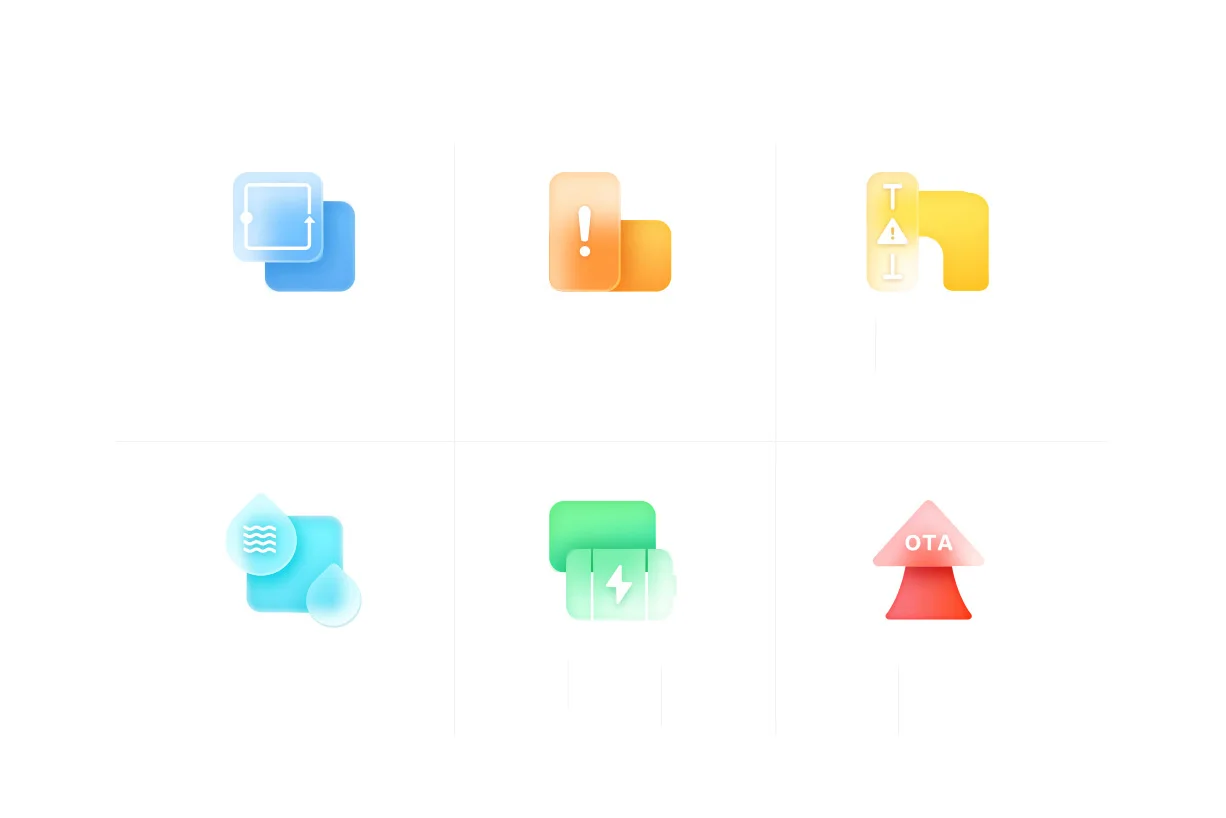
Nettoyer le long du bord: le mur peut également être nettoyé Anti-chute: pas de souci de tomber dans les escaliers Prédiction de l'espace bas: réduire les collisions Tapis étanche à l'humidité: isoler les taches d'eau résiduelles et protéger le sol Support de charge portable: ne prend pas de place Mise à niveau OTA: plus intelligent
Liste d'emballage
1. Hôte * 1 2. boîte à poussière * 1 3. Brosse principale * 1 4. Couverture de brosse principale * 1 5. brosse latérale * 1 6. Réservoir d'eau * 1 7. Plateau de vadrouille * 2 8. vadrouille * 2 9. Tampon étanche à l'humidité * 1 10. Support de charge * 1 11. Cordon d'alimentation * 1 12. Outil de nettoyage * 1 13. Manuel * 1
Xiaomi mijia robot aspirateur 3s utilise une double vadrouille pour tourner à grande vitesse pour essuyer le sol, ce qui peut fortement essuyer les taches de sol. Équipé d'un réservoir d'eau à commande électronique intelligent, d'un contrôle précis de l'eau et d'un volume d'eau réglable à trois vitesses. Équipé d'un ventilateur de 4000Pa, les débris moulus, les cheveux et les particules sont aspirés propres.

Mijia 3S prend en charge la perception stéréo 3D et l'évitement d'obstacles, peut reconnaître le contour des obstacles, voyager de manière flexible et éviter facilement les bosses qui ne sont pas faciles à coincer. Équipé de la navigation de laser de LDS, il n'a pas peur de la lumière et des environnements complexes, et coopère avec l'évitement tridimensionnel d'obstacle 3D pour réaliser l'évitement d'obstacle, navigation, Planification de chemin de positionnement et de nettoyage, et accomplir efficacement des tâches de nettoyage.
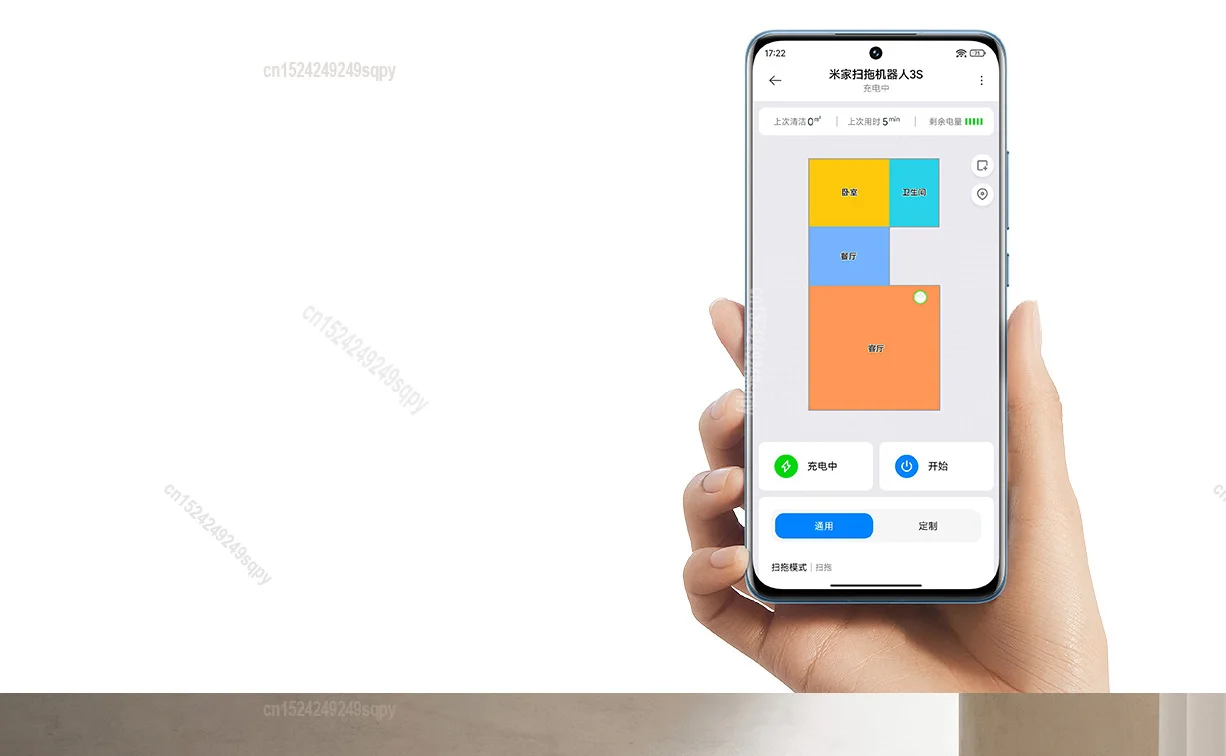
Dans d'autres aspects, le robot de balayage Mijia 3S est équipé d'une roue d'entraînement à moteur sans balais haute performance, durable et durable, qui prend en charge le franchissement d'obstacles de 2cm. La hauteur du fuselage est seulement de 97mm, et la plupart des canapés et des lits peuvent être entrés. Soutenir les dispositifs de liaison intelligents, se connecter à l'application Mijia, Et peut être lié à des appareils intelligents Xiaomi tels que des serrures de porte et des purificateurs d'air pour personnaliser des solutions de nettoyage exclusives, et prendre en charge le nettoyage à distance en un clic et le contrôle vocal Xiaoai.
Dear friend all of us know that there is a lots of these products has been made by diffrent companies there for you can click the above link to see a large collection of these products and you can find your suiteable products as you need .thank you so much for reading .i love you every body


.jpg)



No comments:
Post a Comment